 The Music Room The Music Room |
To Brebru.com |
To Band Pages |
Born Laura Nigro, October 18, 1947, Bronx, New York
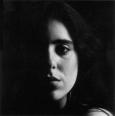 Singer/songwriter
Laura NyroÆs dramatic gospel- and R&B-powered ballads received tremendous
attention in the late Sixties and early Seventies. Though she enjoyed spectacular
commercial success as a songwriter, she was and remains a critically acclaimed
performer herself. Her unique, even disquieting vocal style as well as a sporadic
release and touring schedule have ensured her cult status. Nonetheless, Nyro
stands as one of the most important women in rock music. Her songs combined
a near-religious gospel fervor, early rock & roll vocal stylings, Brill
Building songcraft, and, especially later, urban jazz influences with her
highly personal, evocative lyrics.
Singer/songwriter
Laura NyroÆs dramatic gospel- and R&B-powered ballads received tremendous
attention in the late Sixties and early Seventies. Though she enjoyed spectacular
commercial success as a songwriter, she was and remains a critically acclaimed
performer herself. Her unique, even disquieting vocal style as well as a sporadic
release and touring schedule have ensured her cult status. Nonetheless, Nyro
stands as one of the most important women in rock music. Her songs combined
a near-religious gospel fervor, early rock & roll vocal stylings, Brill
Building songcraft, and, especially later, urban jazz influences with her
highly personal, evocative lyrics.
Nyro began writing songs as a young girl. Her Italian-Jewish parents were both musical; her father was a jazz trumpeter. She went to the High School of Music and Art in Manhattan and concentrated on songwriting. Her debut album, More Than a New Discovery was recorded when she was just 19. Commercially, it went nowhere, but it included a number of songs that would be major hits for other artists: "Wedding Bell Blues," "BlownÆ Away" (both the Fifth Dimension), "Stoney End" (Barbra Streisand), and "And When I Die" (Blood, Sweat and Tears). In 1967 she got a spot at the Monterey Pop Festival. It was her second concert appearance ever, and the audience was loudly unappreciative of her costume (one gossamer angel wing) and her soul revue (which included two black backup singers). But David Geffen, then a music agent, was sufficiently impressed by a tape of her performance to quit his job to become her manager; he soon landed her a deal with Columbia Records.
 Her second album,
Eli and the Thirteenth Confession, was produced by ex-Four Season Charlie
Caleb, and included "Sweet Blindness" and "Stoned Soul Picnic"
(which would be hits for the Fifth Dimension) and "EliÆs Comm"Æ
(Three Dog Night). The album and its followup, New York Tendaberry were critical
triumphs (especially Eli), lavishly praised for their poetic lyrics and gospel-soul
fusion. Nyro became known for her strange, intense phrasing, unexpected rhythm
changes, and distinctive, wailing vocals. New York Tendaberry also contained
her own well-known songs "Time and Love" and "Save the Country."
NyroÆs early work was distinguished from that of her female singer/songwriter
contemporaries in several ways. It was rooted in black, urban musical genres
as opposed to folk, and her lyrics, while sometimes impressionistic and obtuse,
could also be explicit and challenging. "The Confession" æs
"You were bom a woman, not a slave" is often cited as a feminist
slogan, yet the same song promises a "super ride inside my love thing,"
a rare sexual boast in so-called womenÆs rock of the time.
Her second album,
Eli and the Thirteenth Confession, was produced by ex-Four Season Charlie
Caleb, and included "Sweet Blindness" and "Stoned Soul Picnic"
(which would be hits for the Fifth Dimension) and "EliÆs Comm"Æ
(Three Dog Night). The album and its followup, New York Tendaberry were critical
triumphs (especially Eli), lavishly praised for their poetic lyrics and gospel-soul
fusion. Nyro became known for her strange, intense phrasing, unexpected rhythm
changes, and distinctive, wailing vocals. New York Tendaberry also contained
her own well-known songs "Time and Love" and "Save the Country."
NyroÆs early work was distinguished from that of her female singer/songwriter
contemporaries in several ways. It was rooted in black, urban musical genres
as opposed to folk, and her lyrics, while sometimes impressionistic and obtuse,
could also be explicit and challenging. "The Confession" æs
"You were bom a woman, not a slave" is often cited as a feminist
slogan, yet the same song promises a "super ride inside my love thing,"
a rare sexual boast in so-called womenÆs rock of the time.
Nyro released two more celebrated records before she retired the first time at age 24. Christmas and the Beads of Sweat brought together several Muscle Shoals musicians (Barry Beckett, Roger Hawkins, Eddie Hinton, and others) as well as ex-Rascals Dm0 Daneili and Felix Cavaliere (who coproduced the album with Arif Mardin) and Duane Allman (whose searing lead guitar work marks "Beads of Sweat"). Gonna Take a Miracle, credited to Nyro and Labelle, was produced by Kenny Gamble and Leon Huff On it Nyro paid tribute to the doo-wop ("The Bells," "The Wind," "Spanish Harlem"), girl-group ("I Met Him on a Sunday"), and Motown ("Jimmy Mack," "Dancing in the Street," "Nowhere to Run") traditions that continue to exert a marked influence on her work. (Christmas features "Up on the Roof," and on her 1993 album, she covers the ImpressionsÆ "IÆm So Proud"; she has been known for peppering her live sets with classic R&B and soul chestnuts.)
 Smile (1975)
received guarded praise but didnÆt sell, nor did Season of Lights (1977)
or Nested (1978), after which she retreated to her private life again. She
reemerged in 1984 with MotherÆs Spiritual (for which Todd Rundgren provided
production assistance; Nyro has produced or coproduced all of her albums since
Smile). With these records, NyroÆs music took a quieter tum, as she
wrote of lost love, motherhood, and a nature-oriented spirituality, a feminist
worldview that would influence a number of woman singers and songwriters.
The lyrics of "MotherÆs Spiritual" were exhibited on the walls
of the Chicago Peace Museum. While Nyro kept a fairly low profile through
the Eighties, she still continued to perform in smaller venues across the
country, and in Europe and Asia.
Smile (1975)
received guarded praise but didnÆt sell, nor did Season of Lights (1977)
or Nested (1978), after which she retreated to her private life again. She
reemerged in 1984 with MotherÆs Spiritual (for which Todd Rundgren provided
production assistance; Nyro has produced or coproduced all of her albums since
Smile). With these records, NyroÆs music took a quieter tum, as she
wrote of lost love, motherhood, and a nature-oriented spirituality, a feminist
worldview that would influence a number of woman singers and songwriters.
The lyrics of "MotherÆs Spiritual" were exhibited on the walls
of the Chicago Peace Museum. While Nyro kept a fairly low profile through
the Eighties, she still continued to perform in smaller venues across the
country, and in Europe and Asia.
Another five years passed before her next release, a live album recorded at the Bottom Line, in New York City, which Columbia refused to release. Rather than acquiesce to the labelÆs demand for a new studio album, Nyro, who is legendary for her ambivalence toward the business of the music business, took it to a smaller label. Nineteen-ninety-three saw the release of the critically acclaimed studio album Walk the Dog and Light the Light.
1966 -- More Than a New Discovery (The First Songs) (Verve)
1968 -- Eli and the Thirteenth Confession (Columbia)
1969 -- New York Tendaberry
1970 -- Christmas and the Beads of Sweat
1971 -- Gonna Take a Miracle (with Labelle)
1975 -- Smile
1977 -- Season of Lights
1978 -- Nested
1984 -- MotherÆs Spiritual
1989 -- Live at the Bottom Line (Cypress Music)
1993 -- Walk the Dog and Light the Light (Columbia)